

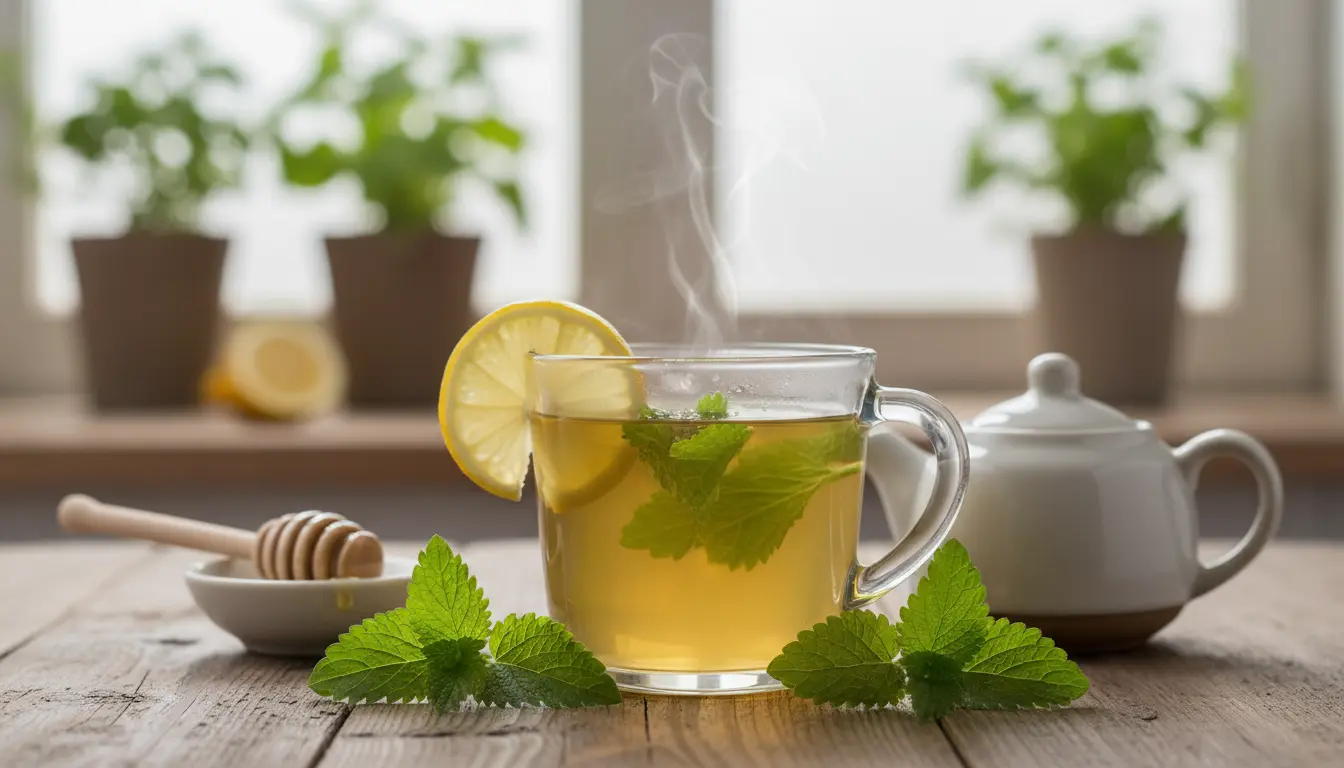
Are you looking for a gentle, natural way to support your wellness journey? Perhaps you’ve heard whispers about the power of herbs, and now you’re wondering, “Can a simple cup of tea truly make a difference?” Today, we’re diving into a delightful and often overlooked herbal ally: lemon balm. Specifically, we’ll explore a calming lemon balm tea recipe for weight loss that focuses on holistic support rather than quick fixes.
In a world full of fad diets and intense workout routines, sometimes the most profound changes begin with a simple shift in routine and a focus on inner calm. Many people find that stress, poor sleep, and digestive upset can play a significant role in weight management challenges. This article will help you understand how lemon balm for weight loss works by addressing underlying factors, offering practical recipes, and sharing a personal 14-day experience. Let’s brew up some peace and progress!
What Is Lemon Balm (Melissa Officinalis)?
A Brief Herbal Background
Lemon balm (Melissa officinalis) is a fragrant, leafy herb belonging to the mint family. Native to Europe, North Africa, and West Asia, it is named “Melissa” after the Greek word for “honeybee” due to its attractive, nectar-rich flowers. For centuries, lemon balm has been cherished for its soothing properties, often used to promote relaxation, ease digestion, and lift the spirits. Imagine walking through an ancient garden, and you’d likely catch a whiff of its distinctive lemony scent, bright and uplifting.
Why It’s Used in Wellness Drinks
Beyond its lovely aroma, lemon balm has earned its place in wellness drinks for its gentle yet effective qualities. It’s rich in compounds like rosmarinic acid, citronellal, and geraniol, which are believed to contribute to its calming and antioxidant effects. As a result, lemon balm tea has become a popular choice for those seeking a natural way to unwind, support their nervous system, and even aid digestion. This calming drink is often included in herbal blends for evening relaxation, setting the stage for a more peaceful night.
Does Lemon Balm Help With Weight Loss?
It’s important to set realistic expectations here: lemon balm is not a “miracle fat burner.” However, its benefits can indirectly support a healthy weight management journey. The connection often lies in how our bodies respond to stress and how well our digestive system functions.
Stress, Cortisol, and Weight Gain
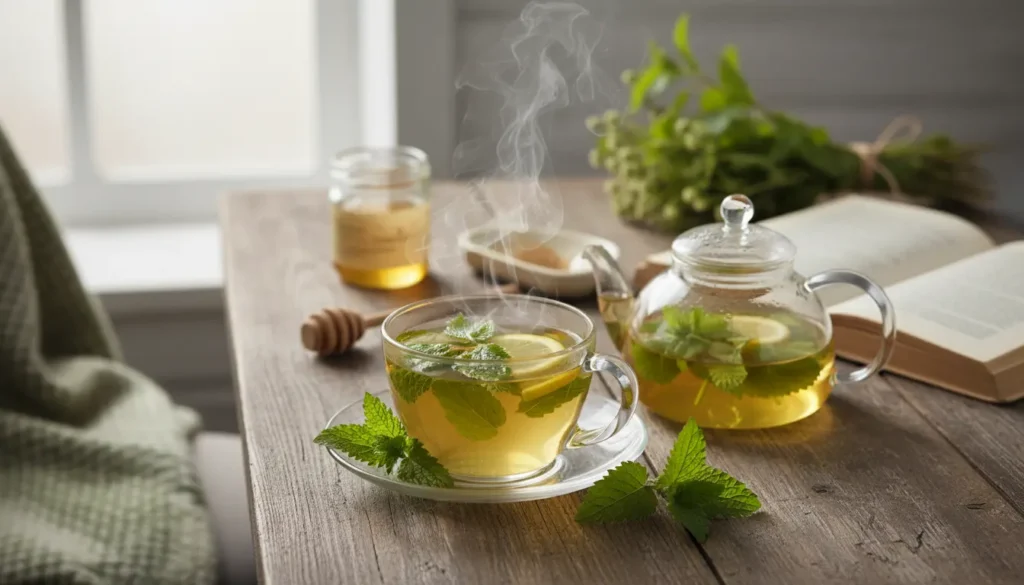
One of the strongest arguments for using lemon balm for weight loss is its purported ability to reduce stress. When we’re stressed, our bodies release a hormone called cortisol. Elevated cortisol levels can contribute to increased appetite, cravings for comfort foods, and a tendency to store fat, particularly around the abdominal area. By helping soothe the nervous system and potentially reduce stress, lemon balm may indirectly support stress-related eating habits and a more balanced metabolism.
Digestion and Bloating Support
Another area where lemon balm tea for weight loss can be beneficial is in supporting digestive comfort. Many people experience bloating and digestive upset, which can make them feel heavier and less comfortable in their bodies. Lemon balm has traditional uses as a carminative, meaning it can help relieve gas and bloating. A calmer digestive system often leads to less discomfort and a sense of lightness, which can be motivating on a weight-loss journey. Incorporating a lemon balm drink can be a soothing way to end a meal.
What Science Suggests (Simple Explanation)
While direct studies on lemon balm specifically for weight loss are limited, research generally supports its effects on mood, sleep, and digestion. For example, studies have shown that lemon balm can improve mood and cognitive performance and reduce anxiety. Better mood and reduced anxiety can translate to fewer emotional eating episodes. Improved sleep quality, another benefit linked to lemon balm, is also crucial for hormone balance and metabolic health. When our bodies are rested and less stressed, they are generally more efficient at managing weight. So, while it’s not a direct fat-loss agent, the indirect support from a regular lemon balm tea recipe for weight loss is significant for overall wellness.
Lemon Balm Tea Recipe for Weight Loss (Step-by-Step)
Ready to brew your own calming cup? Here’s a simple yet effective lemon balm tea recipe that you can easily incorporate into your daily routine. This foundational recipe focuses on maximizing the herb’s natural properties to support metabolism and promote relaxation.
Ingredients (Fresh vs Dried)
- Fresh Lemon Balm Leaves: About 1 tablespoon, gently packed, or 5-7 medium-sized leaves. Fresh leaves offer the most vibrant flavor and aroma.
- Dried Lemon Balm: 1-2 teaspoons. Dried herb is more concentrated, so you need less.
- Hot Water: 8-10 ounces (about 1 cup).
- Optional Enhancements: A slice of lemon, a small drizzle of raw honey (if desired), or a sprig of mint.
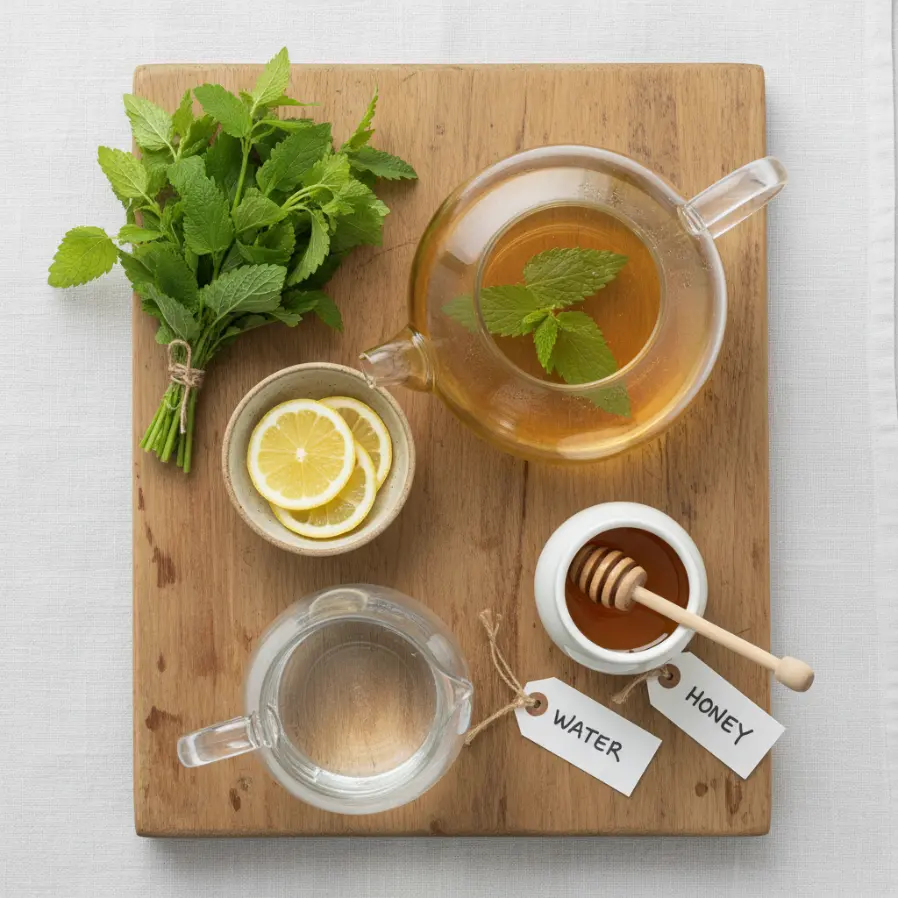
Using fresh lemon balm from your garden or a local farmer’s market is ideal for this weight-loss recipe, but high-quality dried lemon balm works just as well.
How to Make Lemon Balm Tea Properly
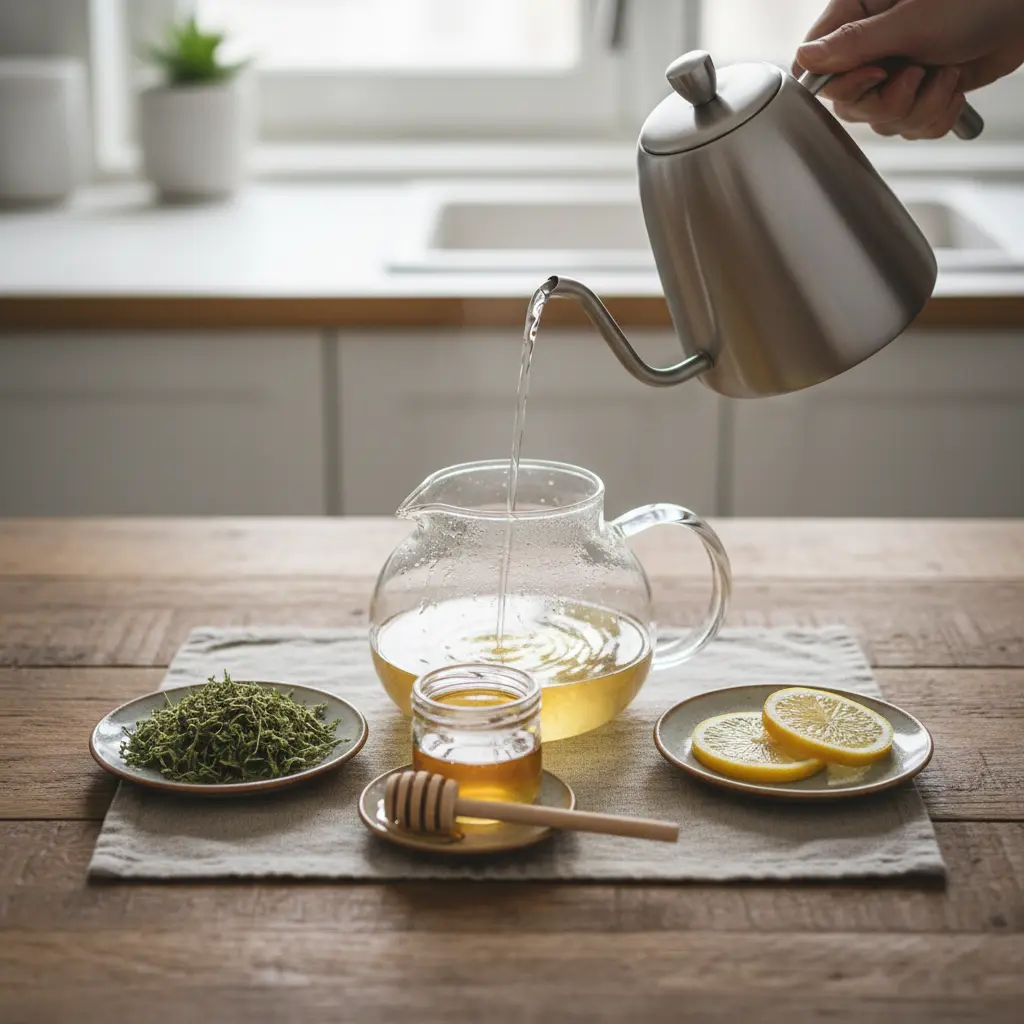
- Prepare Your Herb: If using fresh leaves, gently rinse them under cool water and pat dry. You can lightly bruise them with your fingers to release more essential oils. If using dried, measure it out.
- Heat Your Water: Bring fresh, filtered water to a near boil (about 200°F or 93°C). You want it hot enough to extract the compounds without scorching the delicate herb.
- Combine & Steep: Place the lemon balm leaves (fresh or dried) in a mug or a tea infuser. Pour the hot water over the herb.
- Cover: This step is crucial! Cover your mug with a small plate or saucer while steeping. This prevents the beneficial volatile oils from escaping with the steam.
- Strain & Enjoy: After steeping, remove the infuser or strain the leaves. Your calming lemon balm drink for weight loss is ready!
This simple method helps you get the most from your herb, making it an effective guide to making lemon balm for weight loss.
Steeping Time & Dosage
- Steeping Time: For optimal flavor and benefits, steep lemon balm tea for 5-10 minutes. A longer steep will result in a stronger tea, which is great if you want a more potent calming effect.
- Dosage: A common practice is to drink 1-3 cups of lemon balm tea daily for weight loss. Many find drinking a cup in the morning and another in the evening particularly beneficial for balancing energy and promoting restful sleep.
Common Mistakes to Avoid
- Not Covering Your Tea: As noted, this is essential for retaining the aromatic and beneficial volatile oils.
- Using Boiling Water: While near-boiling is beneficial, boiling water can sometimes degrade delicate compounds in some herbs.
- Expecting Instant Results: Herbal remedies work gently and cumulatively. Consistency is more important than intensity.
- Ignore Quality: Source good-quality, fresh or dried lemon balm. Organic is often preferred to avoid pesticides.
Best Ways to Take Lemon Balm for Weight Loss
Integrating lemon balm for weight loss into your daily routine can be simple and enjoyable. It’s all about timing and finding what works best for your body and lifestyle.
Morning Metabolism Routine
Starting your day with a cup of lemon balm tea can be a great way to set a calm, focused tone. While it’s known for its relaxing effects, it’s not typically sedating at lower doses. Instead, it can help gently support your nervous system as you begin your day, potentially reducing morning stress that can impact metabolism. Try drinking it warm, perhaps with a slice of lemon, before breakfast.
Evening Calm & Sleep Support
This is where lemon balm truly shines for many. Enjoying a warm cup of lemon balm tea about an hour before bedtime can help signal to your body that it’s time to unwind. Better sleep quality is profoundly linked to balanced hormones and effective weight management. When you sleep well, your body is better able to regulate ghrelin (a hunger hormone) and leptin (a satiety hormone), which can curb late-night cravings and indirectly support your lemon balm weight-loss goals.
Lemon Balm Water Variation
For a refreshing, all-day option, consider making lemon balm water. Add a handful of fresh lemon balm leaves (lightly bruised) to a pitcher of cold water and let them infuse in the refrigerator for a few hours or overnight. This subtle, lemony, herbal-infused water is a delightful way to stay hydrated, a key component of a healthy lifestyle.
Lemon Balm Drink Combinations
Don’t be afraid to get creative with your lemon balm drink! It pairs well with other complementary flavors and herbs:
- With Mint: For an extra refreshing zing.
- With Ginger: To add a warming, digestive boost.
- With a Slice of Cucumber: For a spa-like, cooling effect.
- With Berries: Muddle a few raspberries or blueberries for a fruity twist in your iced lemon balm drink.
Experiment with your favourite lemon balm recipes to support your overall wellness.
Variations: Lemon Balm Recipes You Can Try
Once you’ve mastered the basic lemon balm tea recipe, you should explore other delicious ways to enjoy this beneficial herb. Here are a few creative lemon balm recipes to add variety to your routine.
Lemon Balm Tea with Mint
This invigorating yet calming blend is perfect for any time of day. The mint adds a crisp freshness that complements lemon balm’s citrusy notes.
- Ingredients: 1 tsp dried lemon balm (or 5-7 fresh leaves), 1 tsp fresh or dried peppermint/spearmint, 1 cup hot water.
- Instructions: Combine herbs in a mug. Pour hot water over them. Cover and steep for 7-10 minutes. Strain and enjoy.
Lemon Balm and Ginger Infusion
For a warming, tummy-soothing brew, ginger pairs well with lemon balm. This can be especially helpful for digestion and circulation.
- Ingredients: 1 tsp dried lemon balm (or 5-7 fresh leaves), 1/2 inch fresh ginger, thinly sliced or grated, 1 cup hot water.
- Instructions: Place lemon balm and ginger in a mug. Pour hot water over. Cover and steep for 10-15 minutes. Strain and sip slowly.
Iced Lemon Balm Drink
Perfect for warmer days, this refreshing iced tea is a great alternative to sugary sodas and can still support your lemon balm drink for weight-loss goals through hydration and calm.
- Ingredients: 2 tbsp fresh lemon balm leaves (or 2 tsp dried), 2 cups hot water, ice, optional: a slice of lemon and a few berries.
- Instructions: Steep lemon balm in hot water for 10-15 minutes, covered. Strain and let cool completely. Pour over ice. Garnish with lemon or berries.
Simple Lemon Balm Water
A no-fuss way to enjoy lemon balm’s subtle flavor and benefits throughout the day. This is a fantastic way to boost your daily water intake.
- Ingredients: A small handful of fresh lemon balm leaves and 1 liter of cold, filtered water.
- Instructions: Gently bruise the lemon balm leaves and add them to a pitcher of water. Refrigerate for at least 2 hours, or overnight, for a richer infusion. Strain before serving, or leave the leaves in for a more pronounced flavor.
These lemon balm tea recipes and infusions make it easy to incorporate this beneficial herb into your daily routine in varied and enjoyable ways.
My 14-Day Lemon Balm Tea Experience
As a passionate herbal tea enthusiast, I’m always eager to experience the subtle magic of plants firsthand. I decided to dedicate two weeks to consistently incorporating a simple lemon balm tea recipe for weight loss into my daily routine, with a focus on its potential to support a calm metabolism and overall well-being. Here’s what I observed, without exaggeration or grand claims.
Week 1: Stress & Cravings
I started with one cup of warm lemon balm tea in the morning and another in the evening, roughly an hour before bed. My primary goal wasn’t direct weight loss, but rather to see if it could help manage my stress, which often leads to unhealthy snacking. In the first few days, I noticed a subtle but definite shift in my overall demeanor. I felt more grounded and less prone to the afternoon sluminess. While cravings didn’t vanish entirely, I found myself reaching for less sugary comfort foods, perhaps because I was feeling less emotionally agitated. It felt like the lemon balm weight-loss support began with mental calm.
Week 2: Bloating & Sleep
By the second week, the most noticeable change was in my digestion and sleep. I often experience mild bloating, especially after certain meals, but I felt genuinely lighter and less distended throughout the day. This improved comfort contributed to a greater sense of well-being. The evening tea became a cherished ritual. I wasn’t falling asleep instantly, but my sleep felt deeper and more restorative. I woke up feeling more refreshed, which in turn made it easier to make healthy breakfast choices and stay active.
Honest Weight Observations
Over these 14 days, I didn’t significantly change my diet or exercise routine, aiming to isolate the effects of lemon balm as much as possible. I didn’t see a dramatic drop on the scale, and I wasn’t expecting one. However, I did feel less “puffy” and more energetic. I lost about 1.5 pounds, which I attribute more to reduced bloating and improved sleep quality than to any direct fat-burning effect. For me, the overall sense of balance and reduced stress was the real “win.” The subtle support for digestion and improved rest created a better foundation for healthy habits.
Final Thoughts on Results
My 14-day experience affirmed that lemon balm isn’t a magic bullet, but a supportive ally. The biggest benefits were managing stress, improving digestion, and enhancing sleep, all of which are critical yet often overlooked in any sustainable wellness or weight-management journey. This gentle herb helped me feel more centered and comfortable in my body, which is a powerful step towards overall health. I definitely plan to keep this lemon balm recipe for weight loss (or rather, for holistic well-being) in my regular rotation.
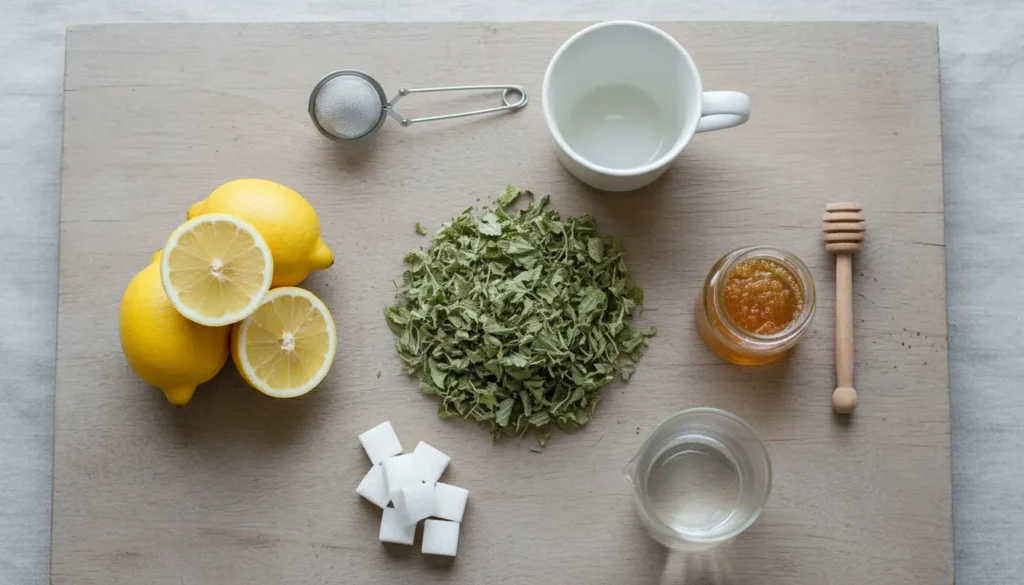
Pros and Cons of Lemon Balm for Weight Loss
Like any natural remedy, lemon balm offers a range of potential benefits but also has a few considerations. Understanding these can help you decide if a lemon balm tea recipe for weight loss is right for you.
Potential Benefits
- Stress Reduction: Lemon balm is well-regarded for its calming effects, which can help lower cortisol levels and mitigate stress-related eating and fat storage.
- Improved Sleep Quality: Better sleep supports hormonal balance, which can positively affect appetite and metabolism.
- Digestive Support: It can help alleviate bloating, gas, and indigestion, contributing to a lighter, more comfortable feeling.
- Antioxidant Properties: Contains compounds that may protect cells from damage.
- Gentle and Natural: A natural alternative to synthetic compounds for relaxation and digestion.
- Easy to Incorporate: Simple to brew and versatile in various drinks and infusions.
- Appetite Regulation: Indirectly, by reducing stress and improving sleep, it may help in managing cravings and overall appetite.
Possible Downsides
- Not a Direct Fat Burner: It’s crucial to understand that lemon balm won’t directly melt fat; its benefits are indirect and supportive.
- Mild Sedation: While generally mild, larger doses can cause drowsiness in some individuals, especially if combined with other sedatives.
- Thyroid Interaction: There’s some theoretical concern about potential interaction with thyroid function, though human studies are limited. (Always consult a doctor if you have thyroid conditions.
- Allergic Reactions: Though rare, some individuals may experience allergic reactions.
- Variable Effectiveness: As with all natural remedies, individual results can vary greatly.
- Taste Preference: While many enjoy its mild lemon flavor, some might find it too subtle or not to their preference.
When considering lemon balm for weight loss, consider the bigger picture of your health and how a calm, balanced system can better support your goals.
Is Lemon Balm Safe? Who Should Avoid It
Lemon balm is generally considered safe for most healthy adults when consumed in typical tea amounts. However, as with any herb, it’s wise to be aware of potential considerations.
Dosage Considerations
For tea, a common dosage is 1-2 teaspoons of dried herb or 1 tablespoon of fresh leaves per cup, consumed 1-3 times daily. Higher doses, often found in supplements or tinctures, may lead to increased drowsiness. Always start with a lower dose to see how your body reacts.
Medication Interactions
Lemon balm can interact with certain medications. It may enhance the effects of:
- Sedatives: Including benzodiazepines, barbiturates, and other sleep aids, increasing drowsiness.
- Thyroid medications: There is some theoretical concern that lemon balm might interfere with thyroid hormone absorption or function. If you have a thyroid condition or are on thyroid medication, exercise caution and consult your doctor.
- Anticoagulants: Theoretically, they may increase the risk of bleeding, though this is not well established.
When to Speak to a Professional
It is always recommended to consult a healthcare professional before incorporating new herbal remedies into your routine, especially if you:
- Are you pregnant or nursing?
- Have any existing medical conditions, particularly thyroid disorders.
- Are you currently taking any prescription medications?
- Are scheduled for surgery (discontinue use at least two weeks prior).
- Experience any unusual or adverse reactions after consuming lemon balm.
This ensures your use of lemon balm (Melissa officinalis) is safe and appropriate for your health circumstances.
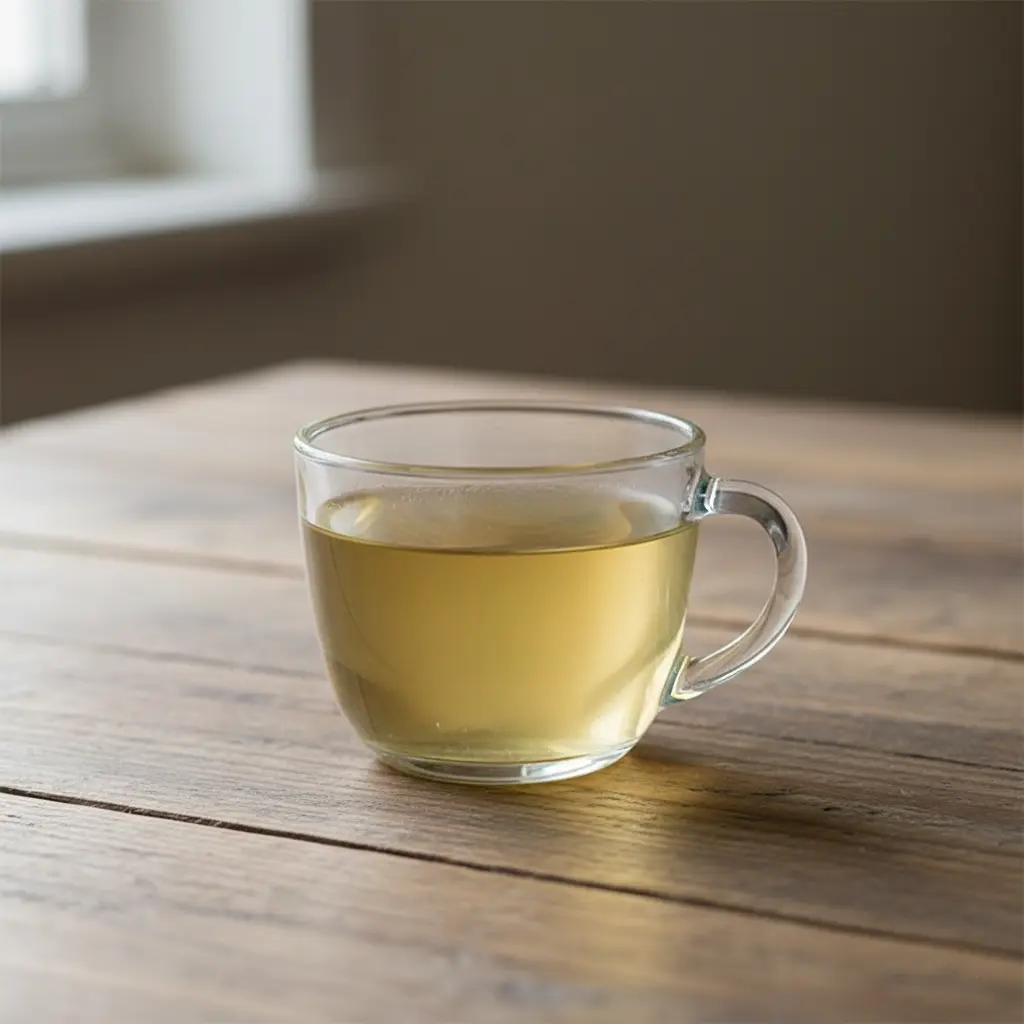

Lemon Balm Tea Recipe for Weight Loss
Ingredients
Method
- Prepare Lemon Balm: If using fresh leaves, gently rinse them and lightly bruise with your fingers to release their essential oils. Place the leaves (fresh or dried) into a mug or a tea infuser.
- Heat Water: Bring fresh, filtered water to a near boil (around 200°F or 93°C). Avoid a rolling boil to protect the delicate compounds of the herb.
- Steep: Pour the hot water over the lemon balm. Immediately cover your mug with a small plate or saucer to prevent the beneficial volatile oils from escaping.
- Wait: Allow the tea to steep for 5-10 minutes. For a stronger brew, steep longer.
- Strain & Serve: Remove the infuser or strain the leaves. Add a slice of lemon or a touch of honey if desired. Sip slowly and enjoy your calming lemon balm drink.
Notes
FAQs About Lemon Balm and Weight Loss
Does lemon balm help with weight loss?
Lemon balm doesn’t directly cause weight loss by burning fat. However, it can support weight management indirectly by reducing stress, improving sleep quality, and aiding digestion, all of which are crucial factors in maintaining a healthy weight and metabolism.
How do you make lemon balm tea for weight loss?
To make lemon balm tea, steep 1 tablespoon of fresh lemon balm leaves (or 1-2 teaspoons of dried) in 1 cup of hot water (around 200°F) for 5-10 minutes, ensuring the mug is covered to retain beneficial compounds. This simple lemon balm tea recipe for weight loss focuses on its calming and digestive benefits.
How to take lemon balm for weight loss?
The most common and gentle way is to drink it as tea 1-3 times daily. You can also infuse it in cold water to make refreshing lemon balm water. Focusing on consistent intake, especially during stressful periods or before bed, can maximize its indirect benefits for weight management.
Can I drink lemon balm tea every day?
Yes, lemon balm tea is generally considered safe for daily consumption for most healthy adults. Regular intake helps maintain its calming and digestive-support benefits. Always listen to your body and consult a healthcare professional if you have any concerns.
Does lemon balm reduce belly fat?
Lemon balm does not specifically target or “reduce belly fat” directly. However, if your belly fat is partly influenced by stress (high cortisol levels), poor sleep, or bloating, lemon balm’s ability to help with these issues could indirectly reduce abdominal discomfort and improve overall body composition.
What is lemon balm (Melissa officinalis)?
Lemon balm (Melissa officinalis) is an aromatic herb belonging to the mint family, known for its distinct lemony scent. It has been traditionally used for its calming, mood-lifting, and digestive properties, making it a popular ingredient in herbal teas and wellness remedies.
Is lemon balm better at night or in the morning?
Lemon balm can be beneficial in the morning and at night. In the morning, it can help start the day with a calm focus. In the evening, it’s particularly effective at promoting relaxation and improving sleep quality, both of which are vital for metabolic health. Many find drinking a cup of coffee an hour before bed most effective.
Can lemon balm help with cravings?
While not a direct appetite suppressant, lemon balm’s ability to reduce stress and improve mood can indirectly help manage cravings, especially those driven by emotional eating or anxiety. When you feel calmer and more balanced, you may be less prone to seeking comfort in unhealthy foods.
Are there side effects?
Lemon balm is generally well-tolerated. Possible, though rare, side effects can include increased drowsiness (especially at higher doses or with other sedatives) and mild digestive upset. Individuals with thyroid conditions or those on sedatives should consult a doctor due to potential interactions.
Can I combine lemon balm with other herbs?
Absolutely! Lemon balm blends well with many other herbs. Popular combinations include mint (for refreshing taste and digestion), ginger (for warmth and digestive aid), chamomile (for enhanced relaxation), or lavender (for extra calm). Experimenting with different lemon balm recipes can be a delightful way to explore herbal benefits.
Is lemon balm good for anxiety?
Yes, lemon balm is well-regarded for its anxiolytic (anxiety-reducing) properties. It’s often used to soothe nervousness, reduce agitation, and promote a sense of calm without significant sedation, making it a popular choice for those seeking natural stress support.
Where can I buy good-quality lemon balm?
You can find fresh lemon balm at farmers’ markets or grow it in your garden. High-quality dried lemon balm is available at reputable health food stores, herb shops, or online retailers specializing in organic herbs. Look for organic, culinary-grade options to ensure purity and potency for your lemon balm recipe.
Important Disclaimer
This herbal tea is not a medical treatment, and results may vary. Always consult a healthcare professional before using herbal remedies, especially if you are pregnant, nursing, have thyroid conditions, or are taking medication. The information provided in this article is for informational purposes only and is not intended to be a substitute for professional medical advice, diagnosis, or treatment.
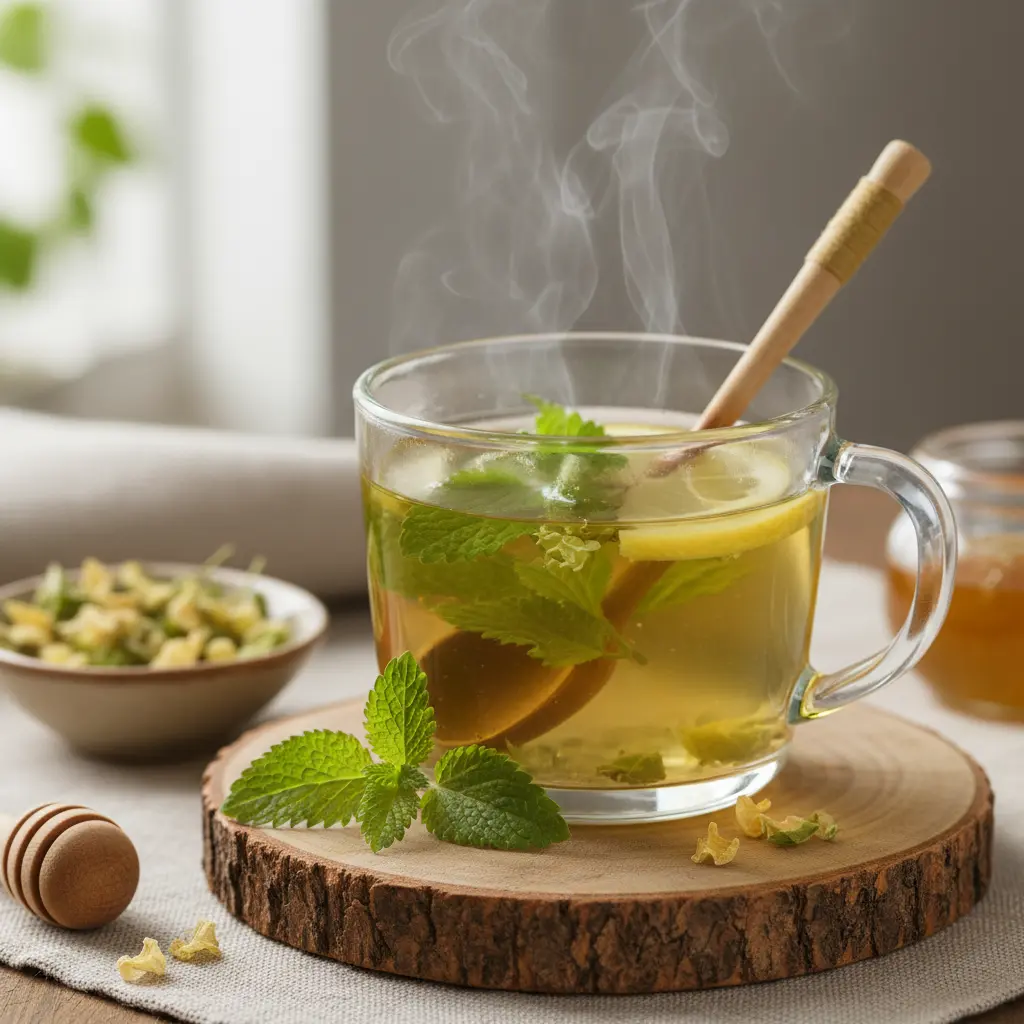
Is Lemon Balm Tea Worth Adding to Your Weight Loss Routine?
After delving into its benefits, exploring practical recipes, and sharing a personal experience, the verdict is clear: adding a lemon balm tea recipe for weight loss to your wellness routine can be a wonderfully supportive step. It’s not a magic potion, nor does it promise rapid weight loss, but its power lies in its ability to foster a calmer, more balanced internal environment.
By helping to manage stress, improve sleep quality, and ease digestion, lemon balm addresses fundamental aspects of health that profoundly impact our ability to maintain a healthy weight. When our bodies are less stressed and well-rested, we are naturally better equipped to make mindful food choices, regulate our appetite, and support a healthy metabolism. Consider it a gentle, aromatic ally in your journey towards holistic well-being. Go ahead and brew a soothing cup and embrace the calming, supportive power of lemon balm.