

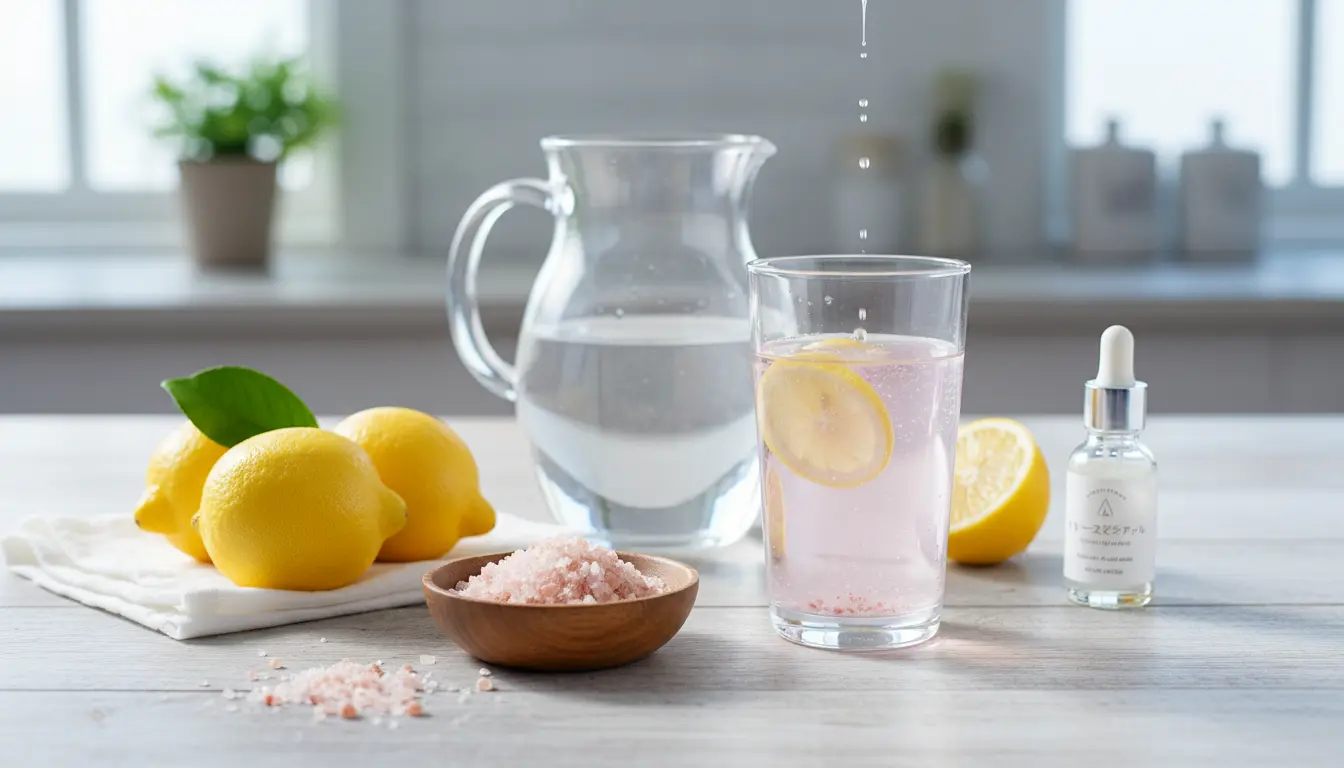
In the ever-evolving world of wellness trends, a simple recipe has been making waves: the Japanese pink salt recipe for weight loss. Promising a blend of traditional wisdom and modern wellness goals, this mineral-rich drink has captured the attention of many seeking a natural boost to their health journey. But what exactly is it, and can a pinch of pink salt truly contribute to weight management?
As a strategist deeply rooted in understanding viral health trends, I’ve seen countless miracle solutions come and go. This trend, however, warrants closer examination due to its simplicity and focus on fundamental hydration and mineral balance. We’ll delve into the origins, explore the potential benefits, clarify common misconceptions (including its association with the Japanese Mounjaro recipe), and provide a practical guide to making it yourself.
Join me as we uncover the truth behind the buzz, offering an honest, evidence-based perspective on the Japanese pink salt weight loss recipe and whether it truly deserves a place in your daily routine.
What Is the Japanese Pink Salt Recipe?
At its core, the Japanese pink salt recipe is a simple mineral drink made with warm water and a small amount of pink salt, typically Himalayan pink salt or a similar mineral-rich variety. The idea is to consume this mixture, often first thing in the morning, to support hydration, mineral intake, and various bodily functions that proponents suggest may indirectly aid weight loss efforts.
Where the Trend Started
While the specific geographic origins of viral health trends can be elusive, the practice of using warm water and salt for health benefits has deep roots in traditional Eastern practices, particularly in Ayurvedic and certain traditional Japanese and Korean wellness philosophies. The modern iteration of the Japanese pink salt diet recipe gained traction on social media, with wellness influencers and enthusiasts sharing their experiences and highlighting benefits such as improved digestion, reduced bloating, and enhanced energy. Its rise parallels a broader cultural appreciation for mineral-rich diets and natural health remedies.

Why It’s Being Linked to Weight Loss
The link between this simple drink and weight loss isn’t about direct fat burning, but rather about supporting bodily systems that support metabolic health and appetite regulation. Proponents suggest that the drink can help with:
- Improved Hydration: Often mistaken for hunger, thirst can lead to overeating. Proper hydration is foundational for a healthy metabolism.
- Electrolyte Balance: Pink salt provides essential electrolytes that plain water lacks, which can be crucial for cellular function and energy levels.
- Digestion and Bloating: Some users report improved digestion and reduced water retention, resulting in a flatter stomach.
- Appetite Regulation: Staying well hydrated and maintaining balanced electrolyte levels may indirectly help manage cravings.
Is It the Same as the Japanese Mounjaro Recipe?
This is a critical clarification point. The Japanese pink salt recipe for weight loss is absolutely NOT the same as a Japanese Mounjaro recipe. Mounjaro (tirzepatide) is a prescription medication used for managing type 2 diabetes and, more recently, for weight loss, requiring medical supervision. The term “Japanese Mounjaro recipe” is a viral misnomer or a sensationalized nickname that has unfortunately been applied to the pink salt drink to capitalize on the significant buzz around pharmaceutical weight loss solutions.
It’s vital to understand that this mineral drink is a simple dietary trend, not a drug or medical treatment, and should never be considered a substitute for prescribed medication or professional medical advice. The association is purely a product of internet virality, and there is no medical parallel. Our discussion focuses purely on the traditional wellness aspects of the pink salt drink, entirely separate from any pharmaceutical comparisons.
What’s Inside the Japanese Pink Salt Diet Recipe?
The beauty of the Japanese pink salt diet recipe lies in its minimal ingredients, each chosen for its purported health benefits.
Pink Salt and Mineral Balance
The star ingredient, pink salt (most commonly Himalayan pink salt), is celebrated for its rich mineral profile. Unlike highly refined table salt, pink salt contains trace minerals, including potassium, calcium, and magnesium, in addition to sodium. These minerals are vital electrolytes that play crucial roles in:
- Nerve function and muscle contraction
- Maintaining fluid balance and hydration
- Supporting healthy blood pressure (in moderation)
- Aiding nutrient absorption and waste removal
By providing these essential minerals, the pink salt drink aims to support overall mineral balance, which can positively impact energy levels and metabolism.
Warm Water vs Cold Water Debate
While the recipe can be made with water at any temperature, warm water is often preferred in the traditional Japanese pink salt weight loss recipe. The reasoning often cited includes:
- Digestion: Warm water is believed to be gentler on the digestive system, potentially aiding digestion and reducing bloating more effectively than cold water.
- Absorption: Some theories suggest that warm water facilitates better mineral absorption.
- Comfort: It can be more soothing to drink, especially first thing in the morning.
However, from a purely scientific standpoint, the temperature difference is likely to have minimal impact on the fundamental benefits of hydration and mineral intake. The most important thing is consistent hydration.
Optional Additions (Lemon, Vinegar, Ginger)
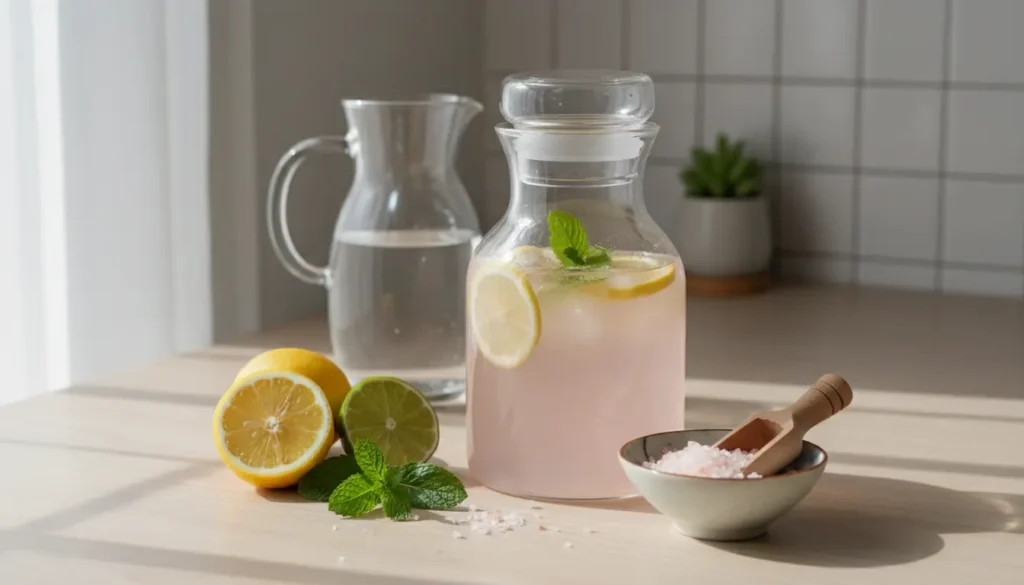
While the basic Japanese pink salt weight loss recipe is just salt and water, some variations include additional ingredients for enhanced flavor or perceived benefits:
- Lemon Juice: Adds a refreshing taste and a dose of Vitamin C. It’s also often associated with aiding digestion and detoxification.
- Apple Cider Vinegar (ACV): Popular for its potential role in blood sugar balance and appetite regulation, though research is ongoing.
- Fresh Ginger: Known for its anti-inflammatory properties and ability to aid digestion, ginger can add a warming, spicy kick.
These additions can enhance the drinking experience and provide health benefits. Still, they are not central to the pink salt drink’s core mechanism.
Does Japanese Pink Salt Help With Weight Loss?
It’s crucial to approach this question with a balanced perspective. The Japanese pink salt weight loss claim is more about indirectly supporting metabolic health than about a direct fat-burning miracle.
Hydration and Appetite Control
One of the most robust arguments for the Japanese pink salt recipe for weight loss is its role in hydration. Adequate hydration is essential for all bodily processes, including metabolism. Often, our bodies can confuse thirst signals with hunger, leading us to reach for snacks when what we truly need is water. Regularly drinking this mineral water can help you stay well-hydrated, potentially reducing unnecessary snacking and supporting appetite regulation. Furthermore, drinking water before meals can naturally reduce the amount of food you consume.
Electrolytes and Fasting Support
For those who practice intermittent fasting, electrolyte balance becomes even more critical. During extended fasting periods, the body can lose essential electrolytes through urine. Pink salt, with its array of minerals, can help replenish lost electrolytes, potentially reducing symptoms such as headaches, fatigue, and muscle cramps often associated with electrolyte imbalance during fasting. This support can make fasting more comfortable and sustainable, thereby indirectly aiding weight-management efforts that incorporate fasting protocols.
What Science Actually Says
While specific clinical trials on the Japanese pink salt recipe as a weight loss intervention are limited, the individual components have scientific backing:
- Hydration: Numerous studies confirm that optimal hydration supports metabolism and energy expenditure and can aid in weight management.
- Minerals: Essential minerals such as magnesium and potassium support metabolic processes and muscle function. Sodium is vital for fluid balance.
- Pink Salt vs. Table Salt: While pink salt contains trace minerals, the quantities are relatively small in a typical serving. Its main benefit over refined table salt for this purpose is often the lack of anti-caking agents and a slightly different mineral profile.
It’s important to manage expectations. The drink primarily acts as a hydration and mineral supplement, not a magic bullet for fat loss. Any weight loss is more likely due to reduced water retention (less bloating), improved appetite management, and overall improved well-being, rather than direct fat burning.
Realistic Expectations
If you decide to try the Japanese pink salt weight loss recipe, remember that it’s a supportive tool, not a standalone solution. Expect subtle benefits in hydration, digestion, and energy, rather than dramatic weight loss. Sustainable weight loss is achieved through a holistic approach that includes a balanced diet, regular physical activity, adequate sleep, and stress management. Integrating this drink may complement these efforts but will not replace them.
Japanese Pink Salt Recipe for Weight Loss (Step-by-Step Guide)
Ready to try this simple mineral drink for yourself? Here’s a straightforward guide to preparing the Japanese pink salt recipe for weight loss.
Ingredients (US + Metric)
- 16-20 ounces (approx. 470-590 ml) of warm filtered water
- ¼ to ½ teaspoon of high-quality pink salt (Himalayan or similar)
- Optional: Squeeze of fresh lemon juice (1/2 lemon)
- Optional: 1 teaspoon of organic apple cider vinegar
Step-by-Step Instructions
- Warm the Water: Gently warm your filtered water. It should be comfortably warm to drink, not boiling. You can use a kettle or microwave.
- Add Pink Salt: Pour the warm water into a glass. Add ¼ to ½ teaspoon of pink salt. Start with a smaller amount and adjust as needed based on your taste and how your body responds.
- Dissolve: Stir well until the pink salt completely dissolves.
- Optional Additions: If using, add a squeeze of fresh lemon juice or a teaspoon of apple cider vinegar and stir again.
- Enjoy: Drink slowly and mindfully.
Best Time to Drink It
Most proponents suggest consuming the Japanese pink salt diet recipe first thing in the morning on an empty stomach. This is believed to kickstart hydration, stimulate digestion, and provide an early dose of minerals before you begin your day. It can also be consumed before meals to aid appetite control or during fasting to support electrolyte balance. However, avoid consuming excessive amounts, especially close to bedtime, due to its sodium content.
Common Mistakes to Avoid
- Using Too Much Salt: Starting with too much salt can lead to an unpleasant taste, digestive upset, and excessive sodium intake. Always begin with a small amount (¼ teaspoon) and gradually increase if desired.
- Using Cold Water: While not harmful, warm water is often recommended for its perceived digestive benefits and traditional practice.
- Expecting Miracles: Remember, this is a supportive drink, not a magic weight loss solution. Combine it with a healthy lifestyle for the best results.
- Ignoring Your Body: If you experience any discomfort (nausea, increased thirst, lightheadedness), reduce the amount of salt or stop consuming the drink.
- Not Using Quality Salt: Opt for unrefined, high-quality pink salt for its mineral content.
Japanese Pink Salt vs Korean Pink Salt Trick
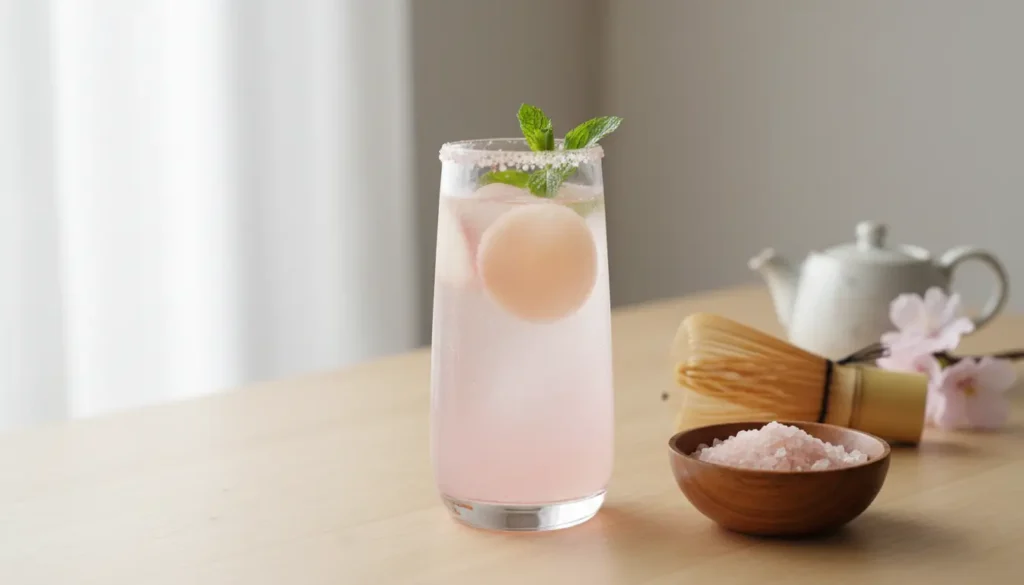
The wellness world often sees similar trends emerge across cultures. The Japanese pink salt weight loss recipe has a close cousin in the Korean pink salt trick. While both leverage the benefits of pink salt, there are subtle differences in emphasis and application.
What Is the Korean Pink Salt Trick?
The Korean pink salt trick recipe often centers on digestion and reducing bloating. It typically involves dissolving a small amount of pink salt in water, sometimes with added ingredients such as lemon or vinegar, and consuming it to support detoxification or cleansing of the digestive system. The emphasis is frequently on using it to flatten the stomach and promote regular bowel movements, making it a popular choice for those struggling with water retention and digestive sluggishness.
Key Differences
- Primary Focus:
- Japanese Pink Salt Recipe: A broader focus on overall hydration, mineral balance, and indirect support for weight loss through appetite regulation and metabolic health.
- Korean Pink Salt Trick: Often more specifically targeted at immediate digestive relief, reducing bloating, and promoting regularity.
- Ingredients: Both predominantly use pink salt and water. The Korean trick might sometimes emphasize specific types of Korean pink salt, though Himalayan pink salt is widely used.
- Usage Timing: Both are commonly consumed in the morning, but the Korean trick might be specifically used when feeling bloated or after a heavy meal.
- Popularity Driver: The Japanese version has gained traction with a weight loss angle, while the Korean version is often highlighted for its stomach-flattening and detox properties.
Which One Is More Sustainable?
From a sustainability standpoint, both are essentially simple mineral drinks. The one that feels more sustainable for you will depend on your personal goals and how your body responds. If your goal is general wellness, hydration support, and weight management, the Japanese pink salt weight-loss recipe may be a better fit. If you’re primarily seeking digestive aid and bloating relief, the Korean pink salt trick could be your preference. Ultimately, both are easy to integrate into a routine and rely on similar principles of mineral-rich hydration.
My 10-Day Japanese Pink Salt Weight Loss Experiment
As a wellness content strategist, I believe in trying trends firsthand to offer an authentic perspective. I conducted a 10-day experiment with the Japanese pink salt weight loss recipe, consuming a glass (16oz) of water with ¼ tsp of pink salt and a squeeze of lemon every morning on an empty stomach. Here’s my honest breakdown:
Days 1–3: Hydration & Digestion
I immediately noticed increased hydration. I often struggle to drink enough water first thing, and this made it easier. By day 2, my digestion was smoother, and I experienced less morning sluggishness. There was no dramatic change, but a subtle sense of internal cleansing. My energy levels felt stable, which was a welcome start. My typical morning coffee cravings seemed less intense, which I attribute to feeling more adequately hydrated.
Days 4–7: Appetite & Energy
Mid-week, I observed a more consistent effect on my appetite. I found myself feeling more satisfied after breakfast and less inclined to snack in the morning. This wasn’t a suppression of hunger, but rather a more balanced feeling. My energy throughout the day remained steady, without the usual afternoon slump that sometimes prompts me to reach for sugary snacks. I also started feeling slightly less bloated, particularly in the evenings, which made me feel lighter.
Days 8–10: Weight & Bloating Changes
By the end of the 10 days, I didn’t see any significant shifts on the scale, nor did I expect to. However, the consistent reduction in bloating was quite noticeable. My stomach felt flatter, and my clothes felt slightly looser around the waist. This wasn’t fat loss, but rather a relief from water retention. I also continued to experience smooth digestion and stable energy. The routine of drinking mineral water had become a pleasant, refreshing start to my day, making me feel more intentional about my overall wellness.
Honest Final Verdict
While the Japanese pink salt weight-loss recipe didn’t directly lead to weight loss by shedding body fat, it delivered enhanced hydration, improved digestion, and a noticeable reduction in bloating. These benefits indirectly support a healthy weight-management journey by optimizing bodily functions and reducing unnecessary calorie intake driven by mistaken hunger cues. It’s a simple, low-cost habit I plan to continue for its general wellness benefits. Still, it’s important to keep expectations realistic about direct weight loss.
Pros and Cons of the Japanese Pink Salt Weight Loss Recipe
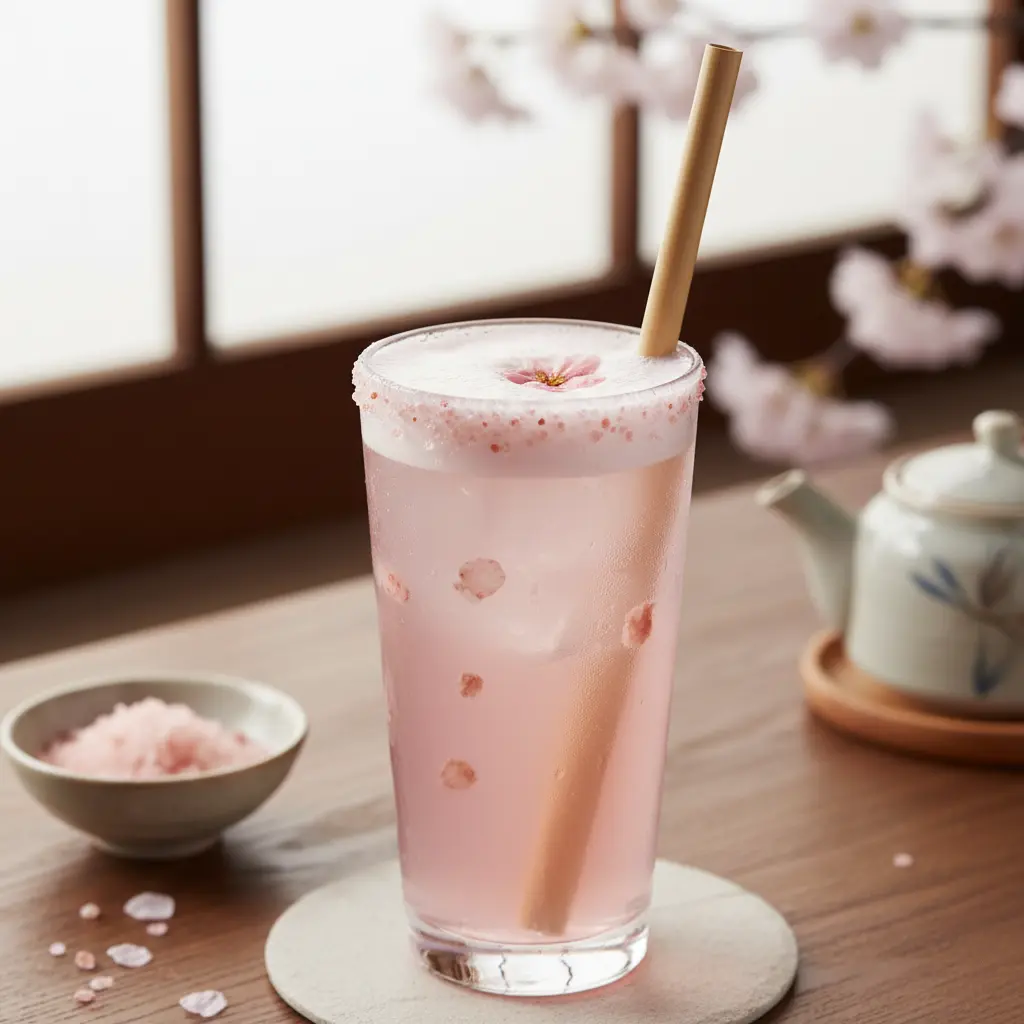
Like any dietary practice, the Japanese pink salt weight-loss recipe has its own potential benefits and considerations.
Potential Benefits
- Enhanced Hydration: Provides not only water but also essential electrolytes to support better cellular hydration.
- Supports Mineral Balance: Provides trace minerals often lacking in modern diets, which are crucial for many bodily functions.
- Aids Digestion: Many users report smoother digestion and fewer episodes of constipation.
- Reduces Bloating: Can help the body shed excess water weight, resulting in a flatter stomach.
- May Help with Appetite Regulation: Proper hydration and mineral balance can help reduce false hunger signals.
- Cost-Effective and Simple: Requires only two common ingredients and minimal preparation.
- Supports Fasting: Helps maintain electrolyte levels during intermittent fasting.
Possible Downsides
- High Sodium Intake: While pink salt has minerals, it’s still predominantly sodium. Excessive intake can be detrimental, especially for those sensitive to sodium.
- Not a Magic Bullet: Will not directly cause significant fat loss; any weight changes are usually due to reduced water retention or better overall habits.
- Unpleasant Taste for Some: The salty taste can be off-putting, especially if too much salt is used.
- Digestive Discomfort: Some individuals may experience nausea or diarrhea, particularly when starting or if using too much salt.
- Misleading Expectations: The weight-loss label can create unrealistic expectations, leading to disappointment if not paired with other healthy habits.
- Limited Scientific Research: While individual components are studied, direct research on this specific weight loss recipe is scarce.
Who Should Avoid the Japanese Pink Salt Diet Recipe?
While generally safe for most healthy individuals in moderation, the Japanese pink salt diet recipe is not suitable for everyone. Due to its sodium content, certain individuals should exercise caution or avoid it entirely.
Sodium Sensitivity
Individuals who are sensitive to sodium, meaning their blood pressure reacts significantly to sodium intake, should be very careful. Even a small amount of salt can impact fluid balance and blood pressure in these individuals. If you know you are sodium-sensitive, it’s best to avoid this drink or consult a doctor first.
Blood Pressure & Heart Concerns
If you have high blood pressure (hypertension), heart disease, or any other cardiovascular conditions, increasing your sodium intake could be risky. Your doctor may have advised a low-sodium diet, and adding extra salt water would counteract that recommendation. Always prioritize your doctor’s advice over wellness trends in these cases.
When to Speak With a Professional
It is always recommended to consult with a healthcare professional or a registered dietitian before introducing new dietary practices, especially if you:
- Are you pregnant or breastfeeding?
- Have kidney disease or other kidney issues, as your kidneys regulate fluid and electrolyte balance.
- Have liver disease.
- Have diabetes or other metabolic disorders.
- Are you currently taking any medications? Salt intake can interact with certain drugs (e.g., diuretics, blood pressure medications).
- Experience persistent digestive issues or any adverse reactions after trying the drink.
Your health professional can provide personalized advice based on your individual health profile and needs.
Disclaimer: This drink is not a medical treatment, and results may vary. Always consult a healthcare professional before trying new diet trends, especially if you have high blood pressure, heart conditions, kidney issues, or metabolic disorders.

Japanese Pink Salt Recipe for Weight Loss
Ingredients
Method
- Gently warm the filtered water until it’s comfortably warm to drink, not boiling.
- Pour the warm water into a glass.
- Add the pink salt to the water. Start with ¼ teaspoon and increase to ½ teaspoon if tolerated.
- Stir thoroughly until the pink salt is completely dissolved.
- If using, add the fresh lemon juice, apple cider vinegar, or ginger slice and stir again.
- Sip slowly and enjoy, preferably on an empty stomach in the morning.
Notes
- Adjust salt to taste and tolerance. Less is often more when starting.
- Always use high-quality, unrefined pink salt for optimal mineral content.
- Do not exceed ½ teaspoon of salt without consulting a healthcare professional, especially if you have underlying health conditions.
- Consistency is key to potential benefits.
FAQs About Japanese Pink Salt Weight Loss
What is the Japanese pink salt recipe for weight loss?
It’s a viral wellness drink made with warm, filtered water and a small amount of pink salt (like Himalayan). Proponents suggest it supports hydration, mineral balance, and digestion, which can indirectly aid weight management efforts.
Does Japanese pink salt help you lose weight?
The Japanese pink salt recipe does not directly burn fat. Any weight loss is primarily due to improved hydration, reduced bloating, better digestion, and potentially appetite regulation, all of which support overall wellness and can complement a weight loss journey.
Is this the same as the Japanese Mounjaro recipe?
No, absolutely not. The Japanese Mounjaro recipe is a misleading viral term. Mounjaro is a prescription medication. The pink salt drink is a simple mineral water with no pharmacological effects or medical claims. It is not a substitute for any medication.
What is the Korean pink salt trick recipe?
The Korean pink salt trick is similar, involving pink salt and water. It often emphasizes digestive health, reducing bloating, and promoting regularity, and is frequently consumed for its detox and stomach-flattening effects.
Can I drink Japanese pink salt water every day?
For most healthy individuals, consuming the Japanese pink salt recipe daily in moderation (e.g., ¼ to ½ teaspoon) is generally considered safe. However, individuals with specific health conditions should consult a doctor first due to the sodium content.
Does pink salt boost metabolism?
Pink salt itself doesn’t significantly boost metabolism. However, the trace minerals it contains (electrolytes) are essential for proper cellular function and hydration, which are foundational to a healthy, efficient metabolism.
Is warm water better than cold?
While the temperature difference likely has minimal impact on mineral absorption, warm water is often preferred in traditional practices. It’s believed to be gentler on the digestive system, potentially aiding digestion and reducing bloating more effectively than cold water for some individuals.
How much weight can you realistically lose?
Realistically, you should not expect significant weight loss from the Japanese pink salt recipe alone. Any initial weight loss is likely due to water loss from reduced bloating and improved hydration. Sustainable fat loss requires a comprehensive approach to diet and exercise.
Are there risks to drinking salt water?
Yes, especially if consumed in large quantities or by individuals with underlying health conditions. Excessive sodium intake can lead to dehydration, high blood pressure, kidney strain, and electrolyte imbalances. Always consume in moderation and consult a doctor if you have health concerns.
Is this safe during fasting?
Many individuals use the Japanese pink salt recipe during intermittent fasting to replenish electrolytes lost during fasted states, which can help reduce fatigue and headaches. However, it’s still crucial to monitor your sodium intake and listen to your body.
Which pink salt should I use?
High-quality, unrefined pink salt, such as Himalayan pink salt or Celtic sea salt, is recommended. These varieties retain more trace minerals compared to heavily processed table salt, making them a better choice for a mineral drink.
Can I add recipe ingredients to the Japanese pink salt recipe?
Yes, some people add a squeeze of fresh lemon juice for vitamin C and flavor, or a teaspoon of apple cider vinegar for potential blood sugar benefits. Fresh ginger slices can also be added for a warming, digestive aid, but keep it simple to monitor effects.
Is the Japanese Pink Salt Recipe Worth Trying?
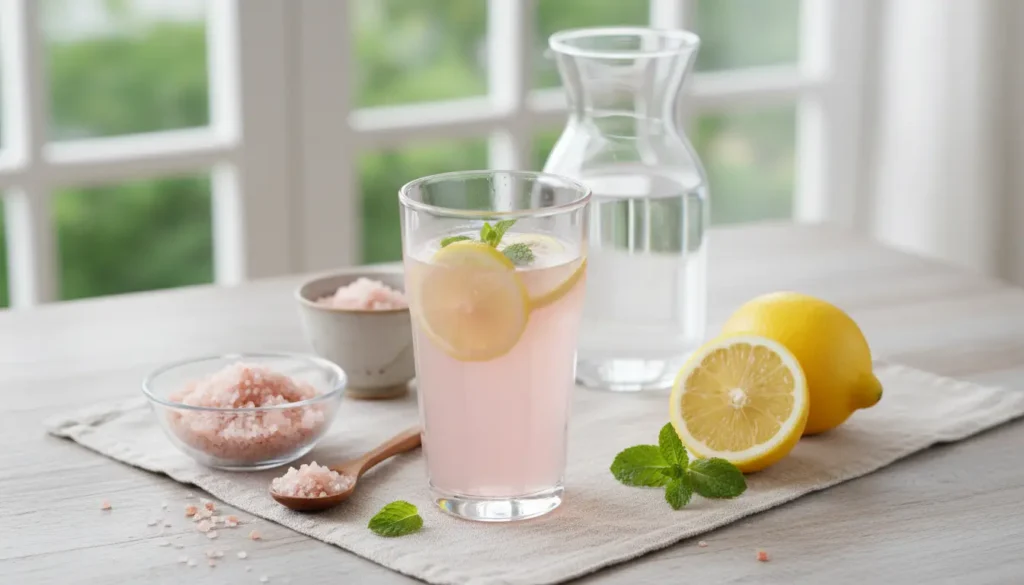
The Japanese pink salt recipe for weight loss, stripped of its sensationalized viral labels, is a simple, affordable mineral drink that emphasizes fundamental aspects of health: hydration and electrolyte balance. While it’s not a direct fat-burning solution or a medical treatment, its potential benefits for digestion, reduced bloating, improved hydration, and indirect appetite regulation are compelling.
As my personal experiment showed, the real power lies in consistency and realistic expectations. It can be a wonderful supportive tool for overall wellness, gently nudging your body towards better balance. It’s a habit that can make you feel more energized, less bloated, and more attuned to your body’s hydration needs. However, it’s imperative to remember that sustainable health and weight management are built on a foundation of balanced nutrition, regular movement, quality sleep, and stress management, not on any single drink.
If you’re curious and generally healthy, giving the Japanese pink salt weight loss recipea try, starting with small amounts and listening to your body, could be a beneficial addition to your daily routine. Remember to approach it with a calm, practical mindset, and always consult a healthcare professional if you have any underlying health conditions or concerns.